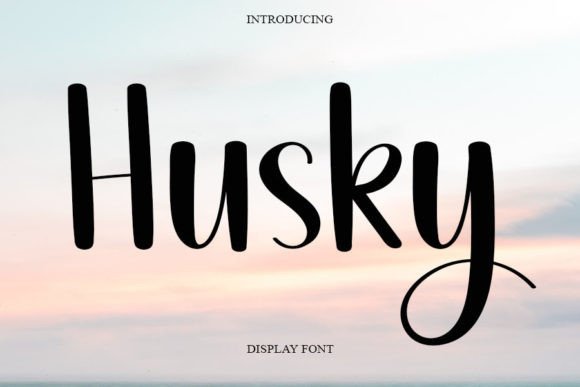
Husky: A Friendly Handwritten Font for Your Brand
As a small business owner, I know the importance of having a consistent and professional brand. One of the key elements that can make or break your brand's visual identity is the choice of font. Husky, a simple and friendly handwritten font, has become my go-to typeface for adding a personal touch to my branding, marketing, and customer-facing materials.
The Charm of Husky: Style and Personality
Husky is a premium font that brings a warm, inviting, and approachable feel to any design. Its casual, handwritten style makes it perfect for businesses that want to convey a friendly and relatable image. Whether you run a bakery, a handmade candle shop, or a coaching business, Husky can help you create a welcoming and memorable brand.
Practical Uses for Husky in Business Materials
Husky is incredibly versatile and can be used in a variety of real-world business materials. Here are some practical examples:
- Logos and Business Cards: Use Husky to add a personal touch to your logo and business cards. It’s perfect for a boutique, café, or creative service provider.
- Product Labels and Packaging: Enhance your product labels and packaging with Husky. For instance, a beauty product line or a handmade candle brand can use it to create a unique and appealing look.
- Thank-You Cards and Stickers: Add a heartfelt note to your thank-you cards and stickers. Husky’s friendly style makes it ideal for expressing gratitude to your customers.
- Menus and Flyers: Create eye-catching menus and flyers for your café or restaurant. Husky’s readability and charm will make your offerings stand out.
- Website Banners and Social Media Graphics: Use Husky for your website banners, Instagram posts, and Pinterest graphics. It adds a personal and engaging touch to your digital presence.
When and How to Use Husky
Husky is best used as a headline, logo, or display font. Its expressive and dynamic style makes it perfect for drawing attention and creating a strong visual impact. However, it’s also great as an accent font or supporting typeface to add a bit of personality to more formal designs.
For example, you can use Husky for the main heading on your website, while pairing it with a clean sans serif font like Arial or Helvetica for the body text. This combination ensures that your content is both visually appealing and easy to read.
Readability and Practicality
One of the most important aspects of any font is its readability, especially in real business settings. Husky maintains a good balance between style and legibility, making it suitable for small labels, mobile screens, printed packaging, and social media thumbnails.
Before fully committing to Husky, I recommend testing it in different scenarios. Print out sample labels, view it on various devices, and get feedback from your team and customers. This will help you ensure that Husky works well across all your brand touchpoints.
Font Pairing Ideas
To create a cohesive and professional look, consider pairing Husky with other fonts. Here are a few ideas:
- Husky + Clean Sans Serif: Pair Husky with a clean sans serif font like Roboto or Lato. This combination works well for a modern and balanced aesthetic.
- Husky + Readable Serif: Combine Husky with a readable serif font like Merriweather or Georgia. This pairing adds a touch of elegance and sophistication.
- Husky + Minimalist Display Font: Use Husky alongside a minimalist display font for a bold and contemporary look. Fonts like Montserrat or Raleway can complement Husky’s style.
Commercial Licensing and Usage
Before using Husky on your products, packaging, templates, merchandise, client work, or digital downloads, make sure to check the commercial font licensing. This ensures that you have the right to use the font in all your business applications and helps you avoid any legal issues.
In conclusion, Husky is a fantastic choice for small business owners and entrepreneurs looking to add a personal and professional touch to their brand. Its friendly, handwritten style and versatility make it a valuable asset for logos, packaging, and digital content. By carefully considering its use and pairing it with complementary fonts, you can create a consistent and memorable brand identity that resonates with your customers.